Adaptive Learning Systems Reshaping Slot Machine Design and Session Patterns
Iris Hoffmann · May 17, 2026
Adaptive Learning Systems Reshaping Slot Machine Design and Session Patterns
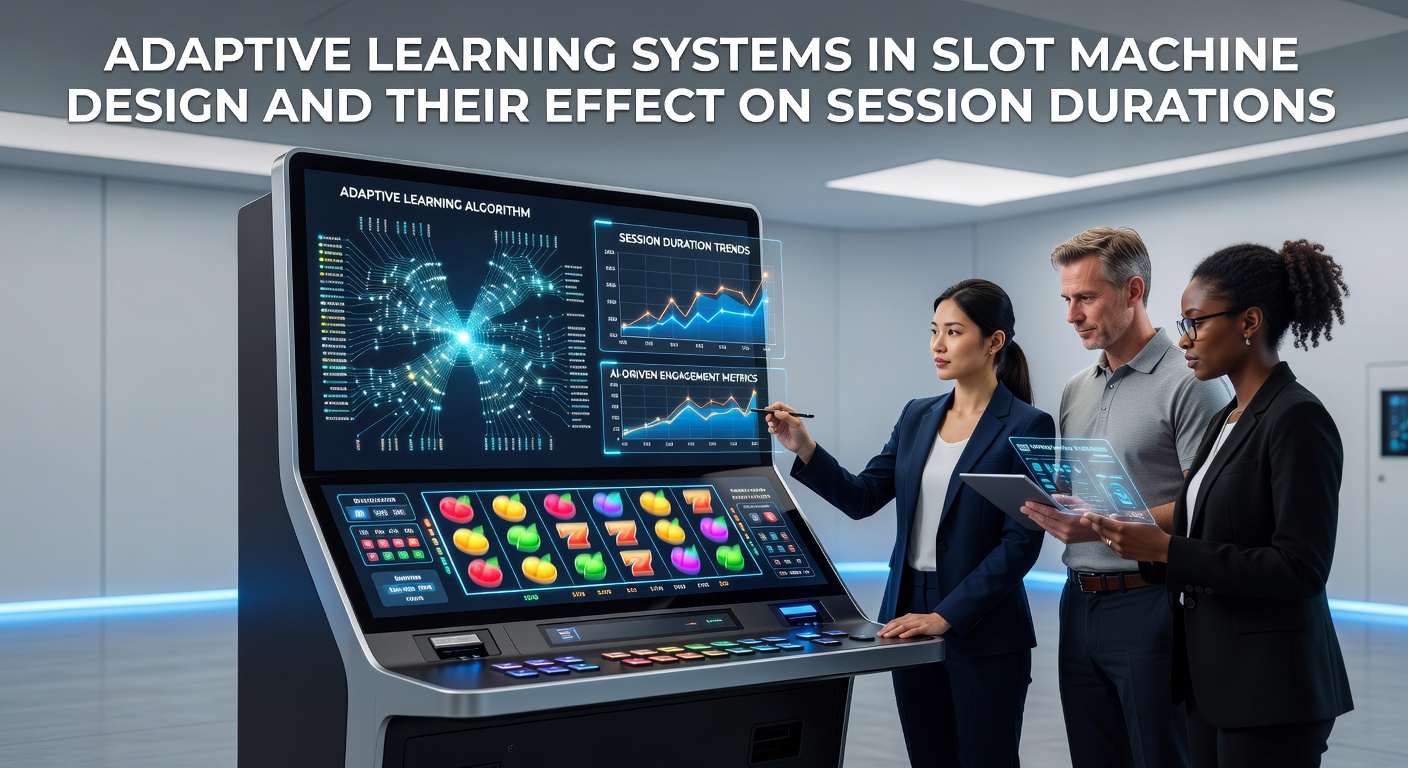
Adaptive learning systems have entered slot machine design through machine learning algorithms that analyze player behavior in real time, and these tools adjust game elements such as bonus trigger rates along with volatility settings based on individual patterns while operators maintain compliance with existing regulations. Researchers have documented how the technology processes data points including bet frequency, session length, and win-loss sequences to create personalized experiences that influence how long people continue playing.
Core Mechanics Behind Adaptive Systems
Manufacturers integrate neural networks into slot platforms so the software can detect when a player shows signs of disengagement, such as reduced bet sizes or longer pauses between spins, and then respond by increasing the frequency of smaller wins or introducing visual cues that encourage continued play. Data from multiple casino floors shows these adjustments occur within seconds, which allows the machine to shift its payout rhythm without altering the overall return-to-player percentage that regulators require.
One study conducted by university researchers tracked thousands of sessions across networked machines and found that adaptive features often correlate with extended play periods because the system identifies optimal moments to deliver engaging content like free spin rounds or multiplier events. Those who have examined the algorithms note that the learning models improve over time as they accumulate more data from each user account, yet strict audit trails ensure fairness remains intact during every modification.
Measured Impacts on Session Durations
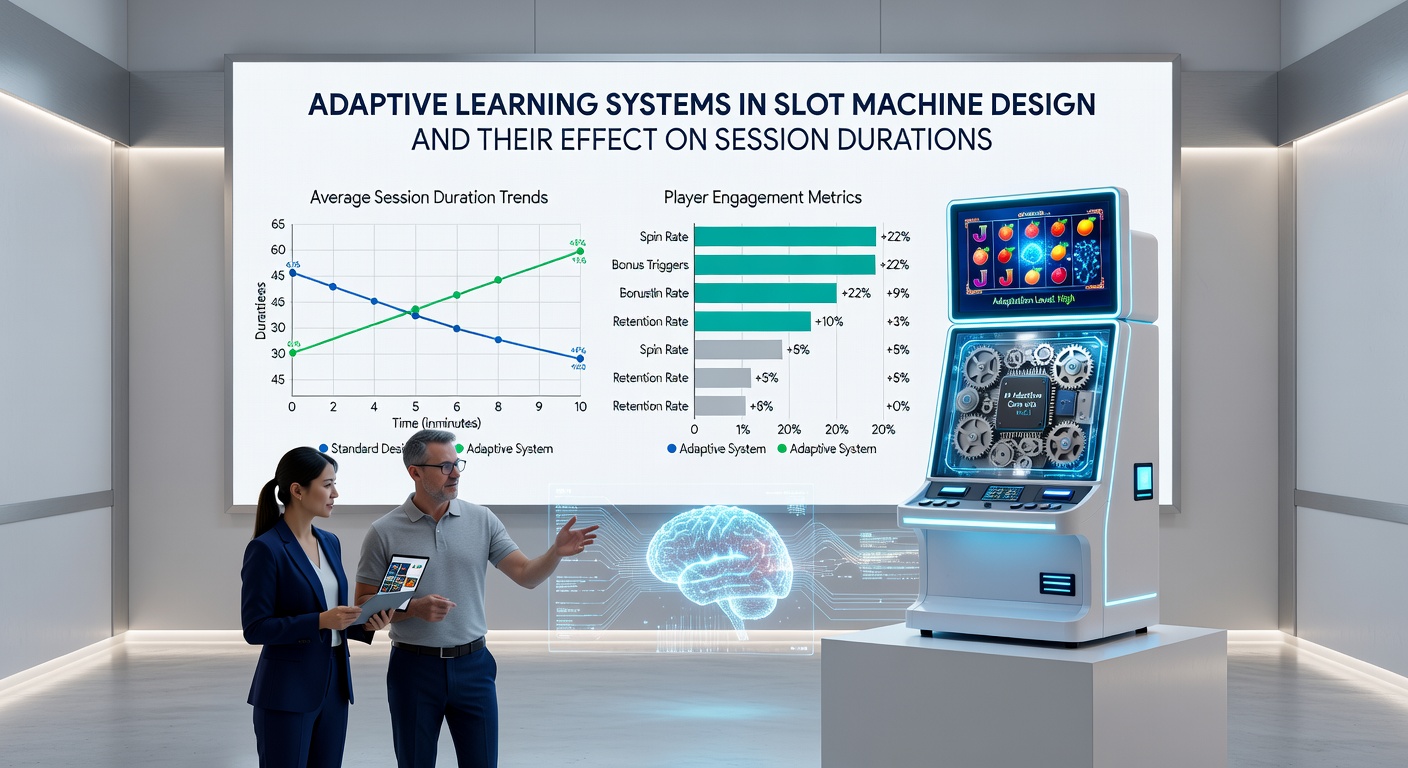
Industry reports indicate that venues deploying adaptive learning systems record average session lengths that run 12 to 18 percent longer than those on standard machines, although exact figures vary by jurisdiction and player demographic. In May 2026, updates from gaming technology conferences highlighted case studies where operators in North American markets observed sustained engagement during peak evening hours after implementing these tools.
Analysts at research institutions have pointed out that shorter sessions tend to occur when players reach predetermined loss thresholds quickly, while adaptive systems mitigate this outcome by modulating reel speed and sound intensity to maintain interest. Figures released by the Nevada Gaming Control Board reveal gradual adoption rates among major casino groups, with early adopters reporting steadier revenue streams tied directly to prolonged individual play intervals.
Regulatory Considerations Across Regions
Government agencies in multiple countries require that any adaptive changes stay within certified mathematical models, and operators must submit detailed logs showing how learning algorithms affect game outcomes over thousands of spins. Canadian provincial regulators, for example, have issued guidelines that demand transparency reports whenever systems alter bonus probabilities during live sessions, ensuring players receive consistent information about how their experience might evolve.
European testing laboratories have begun certifying adaptive platforms through extended simulation runs that mimic diverse player profiles, and these evaluations confirm that session extension effects remain measurable yet predictable within approved parameters. Observers note that such oversight prevents unintended spikes in play duration that could raise responsible gaming concerns while still allowing casinos to benefit from improved retention metrics.
Implementation Examples in Current Markets
Take one major supplier that rolled out an adaptive module in Australian venues during late 2025, where the system learned from aggregated anonymized data to fine-tune feature triggers for different time-of-day patterns. Casino managers reported that midday sessions, typically shorter due to lower foot traffic, extended noticeably once the learning model recognized repeat visitor habits and responded with tailored reel configurations.
Another example comes from integrated resort properties in the United States that paired adaptive slots with loyalty program data, allowing machines to recognize high-value players and adjust volatility slightly to match historical preferences. Research indicates these targeted modifications produced consistent increases in session length without crossing regulatory boundaries on game fairness.
Conclusion
Adaptive learning systems continue to influence slot machine design by processing behavioral data to refine engagement mechanics, and available evidence links these adjustments to measurable changes in average session durations across various markets. Regulatory frameworks in different regions ensure that modifications occur within controlled limits while preserving core game integrity. As adoption expands into 2026 and beyond, further studies will likely clarify the long-term patterns these technologies create for both operators and players.