Cross-Border Crypto Ledger Audits Exposing Hidden Fee Structures in Portable Esports Wagering Platforms
Iris Hoffmann · May 24, 2026

Cross-Border Crypto Ledger Audits Exposing Hidden Fee Structures in Portable Esports Wagering Platforms
Cross-border crypto ledger audits have gained traction in recent months as regulatory bodies examine transaction flows across mobile esports wagering platforms, and these reviews continue to highlight discrepancies in fee reporting that affect users in multiple jurisdictions. Data compiled through 2025 and into early 2026 shows auditors tracing wallet addresses linked to portable betting apps, which often operate across borders where licensing rules differ sharply.
How Ledger Audits Operate in Practice
Auditors start by mapping public blockchain records against platform disclosures, then they compare reported transaction volumes with on-chain activity to identify unreported deductions. Research from the European Gaming and Betting Association indicates that portable platforms frequently process micro-transactions in cryptocurrencies such as USDT and ETH, yet some fee categories remain listed under generic ledger categories rather than itemized entries. Teams conducting these reviews use forensic tools to cluster addresses, which reveals patterns where small percentages are extracted during deposit, withdrawal, or in-game settlement stages without corresponding user notifications.
Platforms based in regions with lighter oversight tend to route funds through intermediate wallets located in jurisdictions that impose fewer disclosure requirements, and this routing complicates direct comparisons between reported and actual costs. Observers note that the process requires cooperation from exchanges and wallet providers, yet many audits rely on publicly available data supplemented by user-submitted transaction exports.
Fee Categories Uncovered Through Recent Reviews
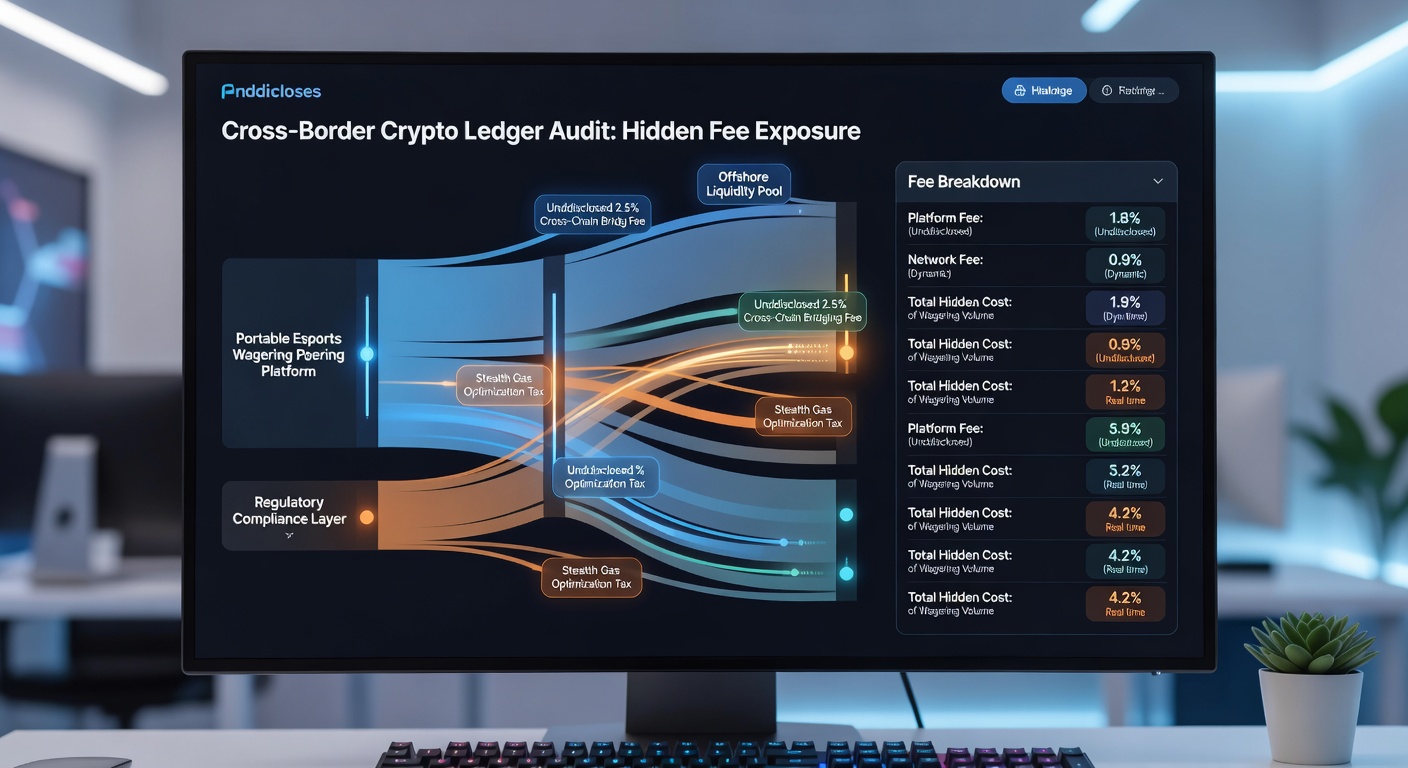
Hidden structures typically include network congestion surcharges applied selectively, liquidity provider premiums that vary by user location, and settlement delays that trigger additional conversion fees. Figures released by the Australian Transaction Reports and Analysis Centre in May 2026 documented cases where portable esports apps added 0.8 to 2.3 percent on top of standard network fees during peak tournament periods, yet these additions appeared only in internal reconciliation files rather than customer-facing statements.
One audit covering platforms active in North American and Asian markets found that certain withdrawal requests triggered an extra processing layer when the requested cryptocurrency differed from the original deposit asset, and this layer remained invisible until the final confirmation screen. Researchers tracking these flows report that the combined effect can reduce net returns by several percentage points over a high-volume session, particularly for users who move funds frequently between events.
Regional Variations and Enforcement Approaches
Canadian provincial regulators have begun requiring periodic on-chain attestations for platforms targeting local users, while authorities in Singapore focus on real-time reporting of fee changes during major esports tournaments. These differing approaches create opportunities for platforms to adjust fee presentation based on the user's detected location, and auditors have documented instances where the same transaction received different line-item descriptions depending on the originating IP address.
Industry reports from the International Betting Integrity Association highlight that portable platforms often maintain multiple fee schedules stored in smart contracts, with activation rules tied to user metadata rather than fixed percentages. When audits cross-reference these contracts with actual disbursements, discrepancies emerge in how often the higher schedule activates during international events.
Impact on Platform Operations and User Reporting
Platforms that have undergone public audits have adjusted disclosure pages to include sample transaction breakdowns, yet follow-up reviews show that dynamic fees tied to network conditions still escape full documentation. Data from university-led studies at the University of Melbourne indicates that users who track their own transaction histories over several months recover between 1.1 and 1.7 percent more value once they account for previously unreported layers.
Enforcement actions remain limited because many platforms operate through entities registered in multiple countries, which allows them to shift operational control when one jurisdiction increases scrutiny. Auditors continue to emphasize the value of standardized transaction tagging across borders, which would simplify comparisons without requiring each platform to adopt identical fee structures.
Conclusion
Cross-border crypto ledger audits continue to provide clearer pictures of fee mechanics within portable esports wagering platforms, and the information they surface supports ongoing efforts by regulators and researchers to align reported costs with actual on-chain activity. As additional reviews are completed through 2026, patterns in fee layering are expected to inform future disclosure standards across different markets.