Currency Currents: Tracing Stablecoin Migrations Through International Sports Wagering Channels
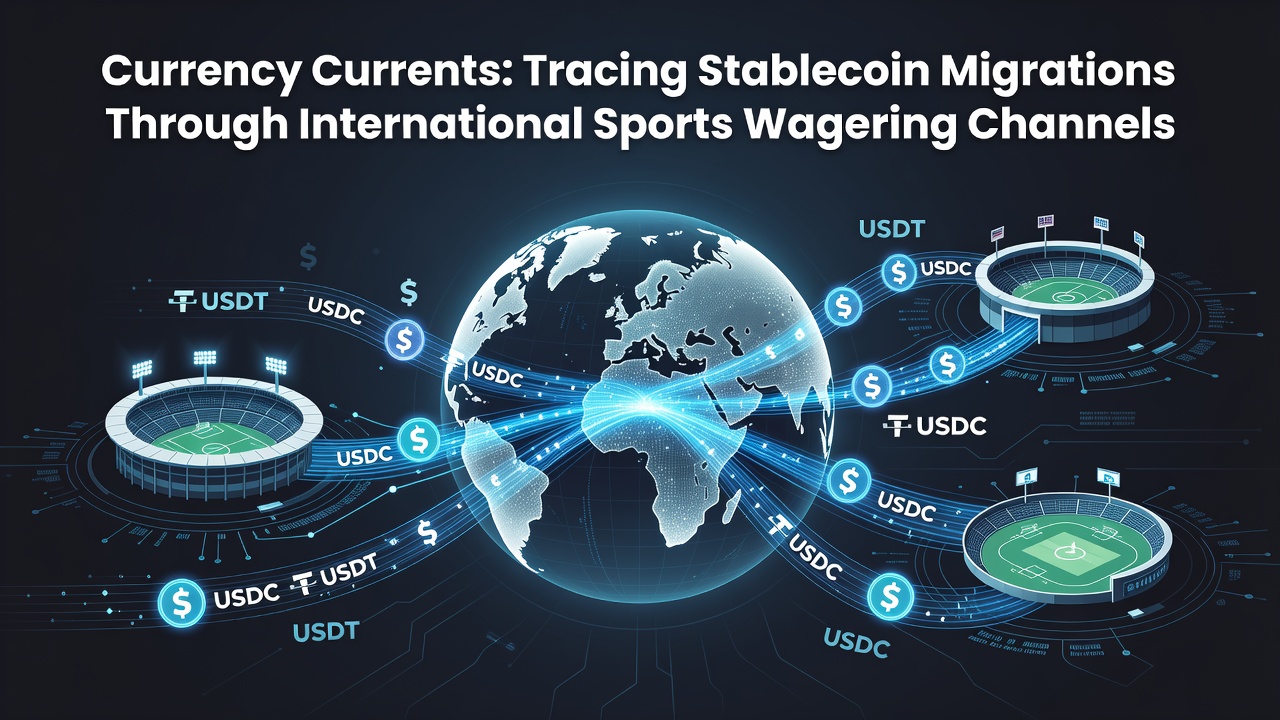 Stablecoins have carved distinct pathways through international sports wagering networks since their wider adoption in digital payment systems, and observers note that these movements often follow shifts in regulatory environments across continents. Data from transaction monitoring services shows that volumes of USDT and USDC transfers linked to betting accounts increased notably in the first half of 2026, with patterns emerging around major soccer tournaments and North American league seasons. Researchers tracking blockchain ledgers point to liquidity pools in Asia-Pacific exchanges serving as intermediate stops before funds reach operators licensed in multiple jurisdictions.
Regional Patterns in Stablecoin Flows
European markets present one clear corridor where stablecoin usage has grown alongside platform expansions, as operators integrate these assets to handle cross-border settlements without traditional banking delays. According to reports from the European Securities and Markets Authority, stablecoin-linked wagering activity accounted for measurable portions of total transaction values in several member states by early 2026, driven by compliance adjustments rather than speculative trading alone. Platforms in Malta and Gibraltar have documented higher inflows from USDC wallets during UEFA competitions, while outflows tend to route toward Southeast Asian exchanges when users seek to convert holdings for local currency withdrawals.
Meanwhile, the Asia-Pacific region demonstrates different dynamics, with operators in Australia and Singapore reporting consistent inflows of USDT from Latin American and Middle Eastern bettors. Government data compiled by the Australian Transaction Reports and Analysis Centre reveals that sports wagering platforms registered stablecoin deposit volumes rising steadily through spring 2026, coinciding with the start of rugby and cricket seasons. Those monitoring these channels observe that migrations accelerate when new licensing rules take effect in one territory, prompting users to reroute holdings through decentralized protocols before settling on compliant sites.
Technological and Compliance Drivers
Blockchain analytics firms have mapped how smart contract features enable rapid shifts between networks, allowing bettors to move funds from one stablecoin variant to another within minutes during live events. This capability becomes relevant when operators update their supported assets in response to central bank digital currency pilots, such as those underway in several G20 economies. Figures released in June 2026 by research groups affiliated with the Monetary Authority of Singapore indicate that multi-chain bridging tools reduced average settlement times for international sports bets to under thirty seconds on select platforms.

Compliance layers add another dimension, since anti-money laundering requirements in different regions force operators to implement varying verification thresholds. One study from the University of Toronto's blockchain research initiative found that users often consolidate holdings into USDC when moving between North American and European platforms, because its issuer provides more transparent reserve attestations that align with stricter oversight frameworks. These adjustments create visible currents on public ledgers, where clusters of transactions appear during tournament peaks and then disperse once events conclude.
Market Data and Migration Triggers
Transaction volume statistics compiled across major exchanges show that stablecoin activity tied to sports wagering spikes when currency controls tighten in source countries. Observers tracking wallet clusters note that Latin American bettors frequently route funds through Caribbean-based operators before converting at Asian liquidity hubs, a pattern that persisted into mid-2026 despite broader adoption of regulatory sandboxes. Canadian regulators at the Financial Transactions and Reports Analysis Centre have similarly recorded elevated stablecoin activity around NHL and CFL seasons, with inflows originating from European exchanges during playoff periods.
Platform-level data further illustrates how operators adjust supported assets to capture these flows, often listing additional stablecoin pairs shortly after major regulatory announcements. This responsiveness keeps wagering channels fluid while maintaining audit trails that satisfy licensing conditions in multiple territories simultaneously.
Conclusion
Stablecoin migrations through international sports wagering channels continue to reflect interactions between technological capabilities, regional regulations, and seasonal event calendars. Data from blockchain monitoring and government reporting agencies demonstrates that these patterns evolve with each new licensing update or network upgrade, producing traceable movements across global ledgers without relying on traditional financial rails. As operators refine their asset offerings and jurisdictions refine oversight approaches, the currents traced in June 2026 suggest ongoing adaptation rather than fixed routes.