Edge Processing Units Streamlining Data Flow for Seamless Portable Casino Interactions
Theo Long · Jun 21, 2026

Edge Processing Units Streamlining Data Flow for Seamless Portable Casino Interactions
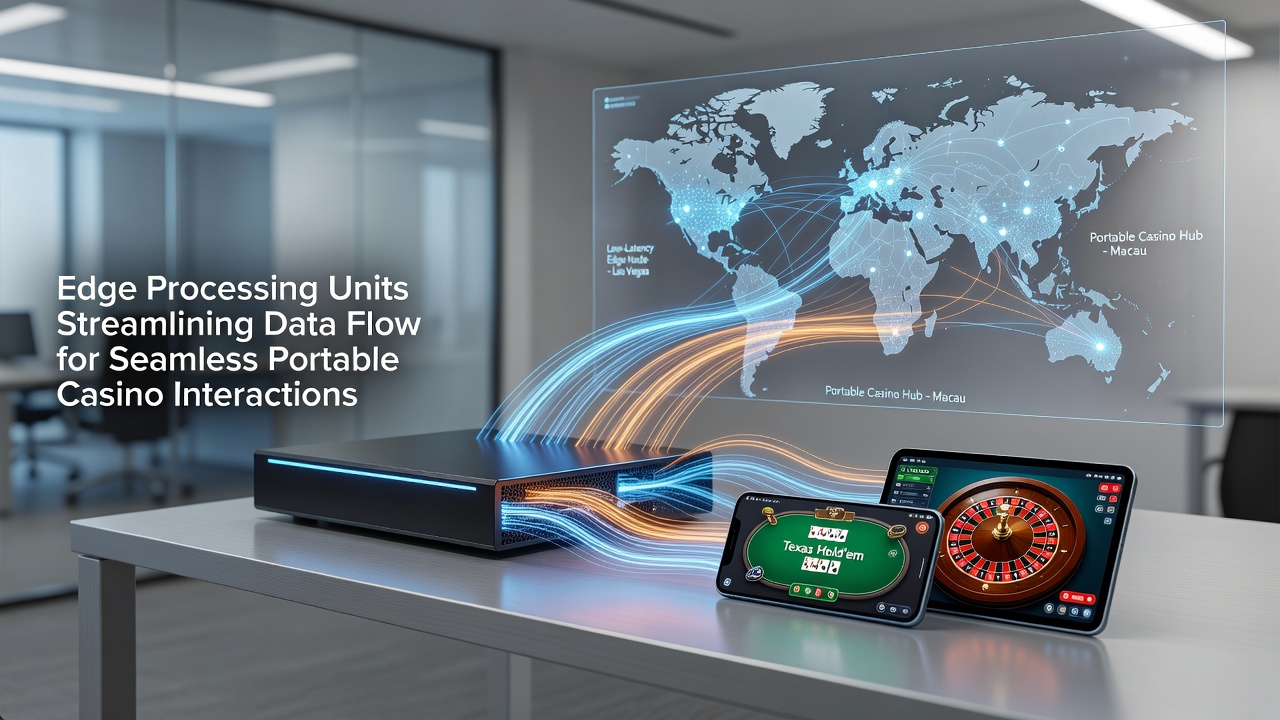
Edge processing units handle computational tasks at locations near portable devices rather than routing everything through distant centralized servers and this approach cuts transmission delays that affect live casino sessions on smartphones and tablets. Operators deploy these units within regional network nodes to manage data streams from slot reels, card shuffles, and player inputs so that interactions remain synchronized across varying connection qualities.
Portable casino platforms rely on consistent low-latency exchanges because even brief interruptions can disrupt betting sequences or dealer responses in real-time games. Edge units process authentication checks, balance updates, and outcome verifications locally before syncing final records with core systems and this method supports the volume of micro-transactions common in mobile wagering environments.
Technical Architecture Behind Portable Data Handling
Edge processing units consist of specialized hardware installed at cellular base stations or small-scale data facilities where they run optimized algorithms for gaming traffic. These components filter and compress player actions such as spin requests or raise amounts before forwarding aggregated packets and the result reduces bandwidth consumption on backhaul links. Network operators coordinate with platform providers to allocate dedicated processing capacity during peak evening hours when portable usage spikes.
Standard protocols define how edge units interface with mobile operating systems so that applications detect nearby processing nodes automatically. Developers embed lightweight libraries that route time-sensitive packets through the closest available unit while non-critical data such as promotional banners travels through conventional cloud paths. This selective routing keeps core game loops responsive across different geographic regions.
Performance Metrics in Live Casino Environments
Industry measurements recorded in early 2026 show average round-trip times for portable live dealer tables dropping below 25 milliseconds when edge units handle primary data flows. Card distribution sequences and chip placement confirmations reach players without visible lag and this improvement holds across urban 5G zones as well as suburban 4G coverage areas. Comparative tests conducted by independent labs indicate that sessions without edge support experience variance spikes exceeding 80 milliseconds during handoffs between towers.
Slot game clusters benefit similarly because random number generation and reel animation frames receive priority queuing at the edge layer. Players notice continuous reel spins and immediate win notifications even when multiple devices share the same cell sector. Data collected from large European operators during June 2026 events demonstrated a 40 percent reduction in session abandonment rates after edge integration compared with legacy routing methods.
Regulatory and Infrastructure Considerations
Government agencies track how edge deployments influence responsible gaming controls and data sovereignty rules. The Australian Communications and Media Authority published guidelines in 2025 requiring operators to maintain audit logs of all edge-processed transactions so that dispute resolution remains traceable regardless of processing location. Similar frameworks in Canadian provinces emphasize encryption standards applied at the edge before any data leaves national borders.
Infrastructure providers upgrade power and cooling systems at edge sites to accommodate continuous operation of gaming workloads. Redundant units switch over within milliseconds during hardware faults and this redundancy prevents game freezes that could otherwise trigger regulatory reviews. Observers note that partnerships between telecommunications firms and casino software vendors have accelerated since 2025 as both sectors seek to meet rising portable traffic demands.
Integration Patterns Across Different Game Types
Live dealer poker tables use edge units to synchronize multiple camera feeds and betting interfaces so that community card reveals appear simultaneously for all participants. The units also manage seat reservation queues and chat moderation filters locally which decreases server load during tournament peaks. Multi-table sessions maintain consistent timing because each table instance receives dedicated processing threads at the nearest edge node.
Progressive jackpot networks distribute contribution updates through edge aggregators that tally bets from regional player pools before sending totals upward. This staged collection prevents network congestion during jackpot growth phases and keeps displayed amounts accurate on individual device screens. Research from academic groups studying distributed systems shows that such aggregation layers scale efficiently when edge hardware follows standardized interface specifications.
Security Protocols at Distributed Nodes
Encryption modules embedded in edge processing units apply session-specific keys to player data before any forwarding occurs. Token-based authentication replaces full credential exchanges at each interaction and this reduces exposure windows during handoffs between network cells. Independent penetration tests conducted throughout 2026 confirmed that properly configured edge deployments resist injection attempts aimed at altering game outcomes or balance figures.
Monitoring dashboards operated by platform security teams receive summarized telemetry from edge units rather than raw packet captures. Anomaly detection routines flag unusual betting patterns or device fingerprint changes at the local level first and only escalated alerts travel to central security operations centers. This layered approach shortens response times while respecting data minimization principles required by privacy regulations.
Conclusion
Edge processing units continue to reshape how portable casino platforms manage data movement by placing computation closer to end users. Measurements from multiple operators indicate sustained improvements in responsiveness and session stability while regulatory frameworks adapt to the distributed nature of these systems. Continued coordination between network providers, software developers, and oversight bodies supports ongoing refinement of these architectures across global markets.