Exploring Cultural Event Calendars as Drivers for Limited-Time Game Mechanics and Player Migration Patterns Across International Digital Platforms
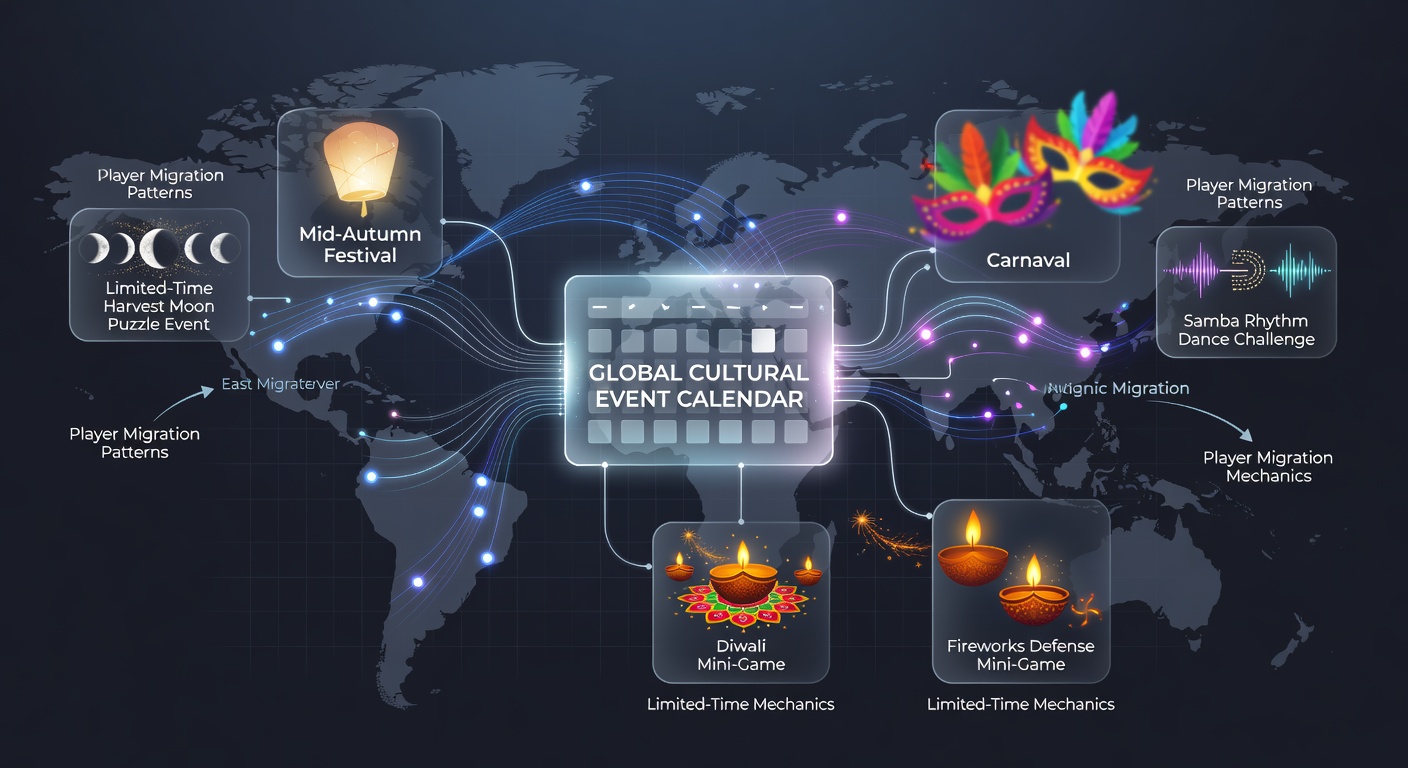
Digital platforms across regions integrate cultural event calendars into game design, creating temporary mechanics that align with holidays and festivals observed worldwide. Observers note that developers schedule limited-time features such as themed quests, exclusive rewards, and region-specific challenges around events including Lunar New Year in Asia, Carnival in South America, and harvest festivals in Europe. These alignments produce measurable shifts in player engagement as participants seek out servers or titles offering the most relevant content at any given moment.
Research from industry analysts shows that player migration accelerates during peak cultural periods because users often switch between international platforms to access better event integration or higher reward structures. In June 2026, platforms prepare for overlapping summer festivals in multiple hemispheres, prompting developers to coordinate release windows for mechanics like collaborative raids and time-limited currency exchanges that draw users from one region to another within the same ecosystem.
Calendar Integration and Temporary Mechanics
Platforms employ cultural calendars to time updates that introduce mechanics unavailable during standard play periods, such as dynamic weather systems tied to monsoon seasons in South Asia or color-changing interfaces during spring celebrations in East Asia. Data from platform analytics indicates these features increase session duration by aligning rewards with user expectations shaped by real-world traditions. Experts have observed that games supporting multiple languages and regional servers adjust drop rates and event durations based on local observance dates rather than uniform global schedules.
Take one developer team that coordinated a Diwali-themed event across its mobile titles in 2025, which resulted in cross-server transfers as players from North American accounts joined Asian clusters to participate in synchronized fireworks mechanics and group challenges. Such patterns repeat when calendars feature events like Midsummer in Nordic countries or Indigenous Peoples' Day observances in the Americas, where platforms activate haptic feedback loops or augmented overlays only for the event window.
Player Migration Across Borders
Migration patterns emerge when users compare event offerings between competing platforms and relocate their activity to maximize participation. Studies conducted by research institutions reveal that traffic spikes occur on servers located in time zones matching the cultural event's origin, with players temporarily creating secondary accounts to claim region-locked rewards. In June 2026, anticipated overlaps between European music festivals and North American indigenous celebrations are expected to test platform capacity as migration tools allow seamless inventory transfers between accounts.
Figures from international gaming reports highlight that migration tools, including account linking and server transfer options, reduce friction for users moving between platforms headquartered in different countries. Those who have examined user logs note that peak migration happens 48 to 72 hours before an event concludes, as participants chase final rewards before mechanics deactivate.
Platform Strategies and Regional Variations
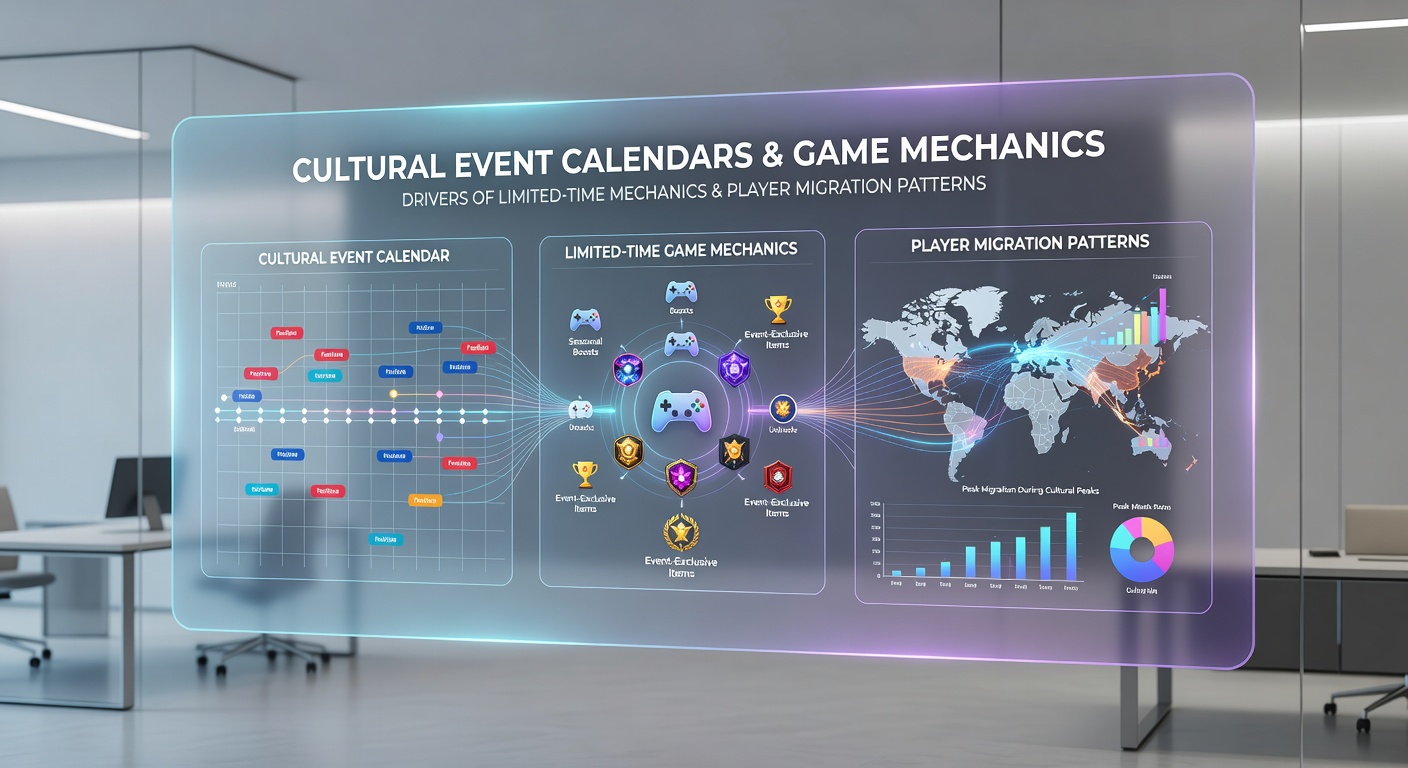
International platforms adapt their infrastructure to handle calendar-driven demand through distributed server networks that activate additional capacity during known festival periods. According to findings published by the Interactive Games and Entertainment Association, Australian and New Zealand operators have documented increased logins from European users during southern hemisphere summer events, while Asian platforms see reverse flows during northern winter holidays. These movements follow predictable cycles because calendars provide advance notice that allows both developers and players to plan accordingly.
Mechanics such as shared leaderboards that reset at the end of each cultural window encourage repeated migration as competitive players chase rankings across different regional clusters. What's interesting is how platforms in Canada and the European Union have introduced regulatory-compliant transfer protocols that maintain fair play standards while permitting temporary relocation of progress data.
Data Patterns and Future Outlook
Longitudinal tracking by academic researchers shows that cultural event alignment correlates with sustained player retention when platforms offer consistent calendar coverage year after year. Reports from Statistics Canada indicate measurable upticks in cross-border account activity during events that span multiple continents, including global awareness days that trigger unified but localized mechanics. In preparation for June 2026, several major platforms have announced expanded calendar APIs that let third-party developers sync their limited-time content with official cultural schedules.
Observers note continued refinement of prediction models that forecast migration volume based on historical festival attendance data combined with current user demographics. These models help operators allocate resources and design mechanics that accommodate fluctuating populations without disrupting core gameplay loops.
Conclusion
Cultural event calendars function as reliable drivers for both temporary game mechanics and observable player migration across international digital platforms. Evidence from multiple regions demonstrates that platforms which synchronize content with real-world observances experience predictable engagement cycles and cross-border movement. As calendars advance into 2026 and beyond, continued coordination between developers and regional operators will shape how limited-time features evolve alongside global cultural rhythms.