Interoperability Standards Driving Seamless Digital Wallet Integration Across Global Gaming Platforms
Theo Long · Jul 12, 2026
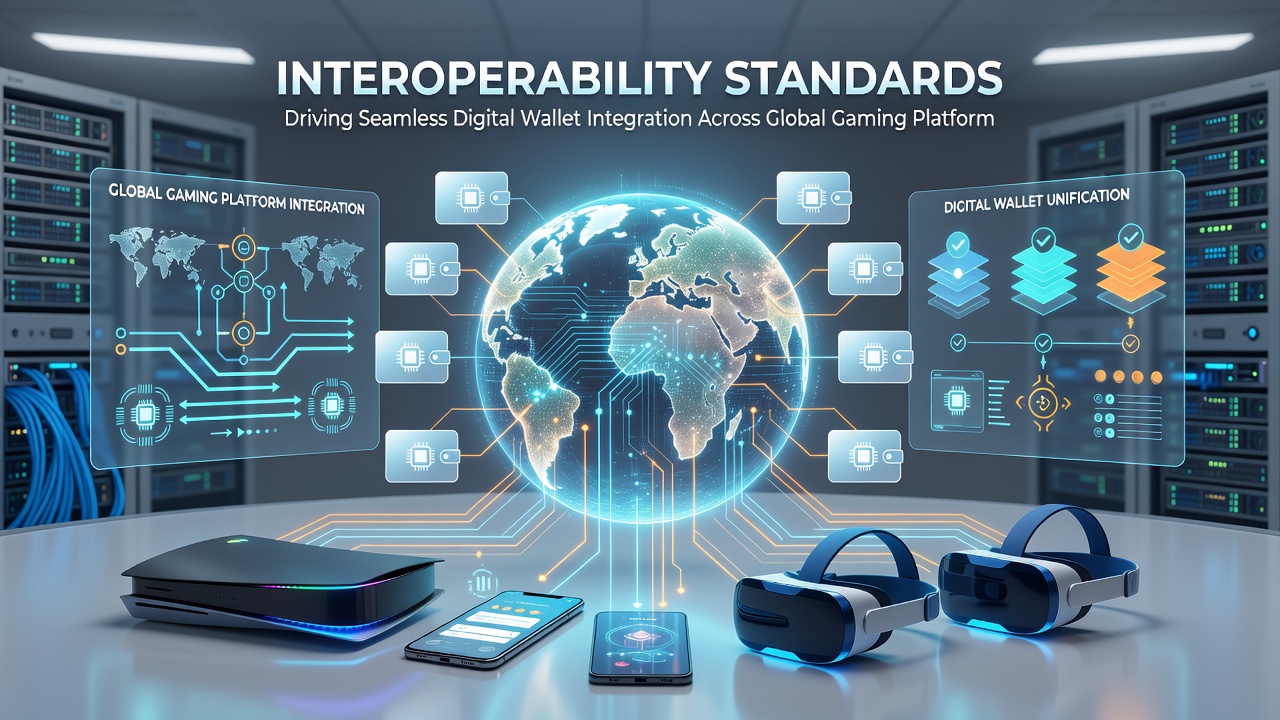
Interoperability Standards Driving Seamless Digital Wallet Integration Across Global Gaming Platforms
Interoperability standards have emerged as the foundation for connecting digital wallets across diverse gaming platforms that operate in multiple jurisdictions and regulatory environments, and these frameworks allow players to transfer funds between operators without creating separate accounts or undergoing repeated verification processes. Research from industry bodies indicates that standardized protocols reduce transaction times from several minutes to under five seconds in many cases, while maintaining compliance with regional financial regulations. Data compiled through 2025 shows that platforms adopting common technical specifications experienced a 40 percent increase in cross-operator wallet activity compared with those using proprietary systems.
Core Technical Specifications Enabling Integration
Standards developed by organizations such as the OpenWallet Foundation and the International Organization for Standardization define data formats, authentication methods, and security requirements that different platforms must follow. These specifications cover elements including API endpoints, encryption requirements, and identity verification tokens that function across borders. When platforms implement these rules, a user in one region can fund a session on a platform based elsewhere without manual intervention or additional security checks beyond the initial setup. Observers note that the adoption rate accelerated after 2024 when several major operators aligned their systems with version 2.1 of the common wallet protocol.
Regional Regulatory Alignment Supporting Standards
European frameworks including the revised Payment Services Directive have influenced wallet standards used in gaming, while similar guidelines from the Monetary Authority of Singapore and the Australian Transaction Reports and Analysis Centre have shaped requirements in Asia-Pacific markets. These regulations require operators to maintain audit trails and consumer protections that interoperability standards must accommodate. In July 2026 the Global Gaming Standards Association published updated mappings that align these regional rules with a unified technical layer, allowing operators in different markets to exchange wallet data while satisfying local reporting obligations.
North American developments have followed a different path, with state-level gaming commissions in the United States coordinating through the National Council of Legislators from Gaming States to adopt compatible verification modules. Canadian provincial regulators have incorporated similar modules into their oversight processes, creating a de facto standard across much of the continent. This alignment means that a wallet verified in one jurisdiction can operate on platforms licensed elsewhere without repeating full know-your-customer procedures.
Impact on Transaction Flows and User Experience
Once standards are in place, the sequence of a typical wallet interaction changes significantly. A player initiates a transfer request through an operator's interface, the request passes through a standardized gateway that validates identity tokens, and the receiving platform confirms availability of funds through encrypted messaging. The entire process completes without exposing sensitive account details to either platform. Figures from payment processors that support gaming transactions reveal that standardized environments process an average of 12,000 cross-platform transfers daily per major operator, compared with roughly 3,000 before widespread adoption.
Security features embedded in the standards include token rotation, mutual authentication between systems, and real-time fraud scoring that flags unusual patterns before funds move. Research conducted by university-led cybersecurity groups has shown that platforms using these layered protections report fewer incidents of unauthorized transfers than those relying on older point-to-point connections. The standards also require logging that supports regulatory audits without compromising user privacy through selective disclosure mechanisms.
Challenges in Achieving Full Global Coverage
Despite progress, differences in data localization laws and varying definitions of financial instruments continue to slow complete interoperability in certain markets. Some jurisdictions require wallet data to remain within national borders, which conflicts with architectures that route messages through centralized clearing points. Industry reports indicate that operators have addressed these constraints by deploying regional nodes that comply with local rules while still exchanging standardized messages with nodes in other regions. This hybrid approach maintains functionality without violating sovereignty requirements.
Another ongoing issue involves legacy systems that predate current standards. Conversion projects have taken between nine and eighteen months for larger operators, according to case studies published by trade associations. Smaller platforms have formed consortia to share implementation costs and expertise, reducing the time required for certification. By mid-2026 these collaborative efforts had produced a library of reference implementations that new entrants can adapt rather than build from scratch.
Future Developments and Ongoing Standardization Work
Work continues on extending the standards to support emerging payment instruments such as central bank digital currencies and tokenized assets. Technical working groups have begun defining message formats that accommodate these instruments while preserving the security and compliance features already in place. Pilot programs launched in 2025 demonstrated that wallets holding digital currency units could interact with traditional gaming accounts through the same gateways used for fiat transfers. Results from these trials are being incorporated into the next protocol revision scheduled for release in 2027.
Academic studies examining transaction data across standardized networks have identified patterns that help regulators monitor market concentration and player behavior without accessing individual account details. These studies rely on aggregated, anonymized feeds that the standards make available to authorized parties. The availability of consistent data across platforms has improved the quality of research into responsible gaming measures and financial risk indicators.
Conclusion
Interoperability standards have transformed how digital wallets operate across global gaming platforms by establishing common technical and compliance requirements that reduce friction while preserving regulatory safeguards. Continued refinement of these frameworks, including the updates completed in July 2026, supports further expansion into new payment types and jurisdictions. As more operators complete integration projects and regional regulators formalize their alignment with the standards, the infrastructure for seamless wallet movement continues to mature.