Pulse of the Periphery: How Edge Computing Nodes Reshape Real-Time Odds Adjustments for Handheld Sports Wagering Apps
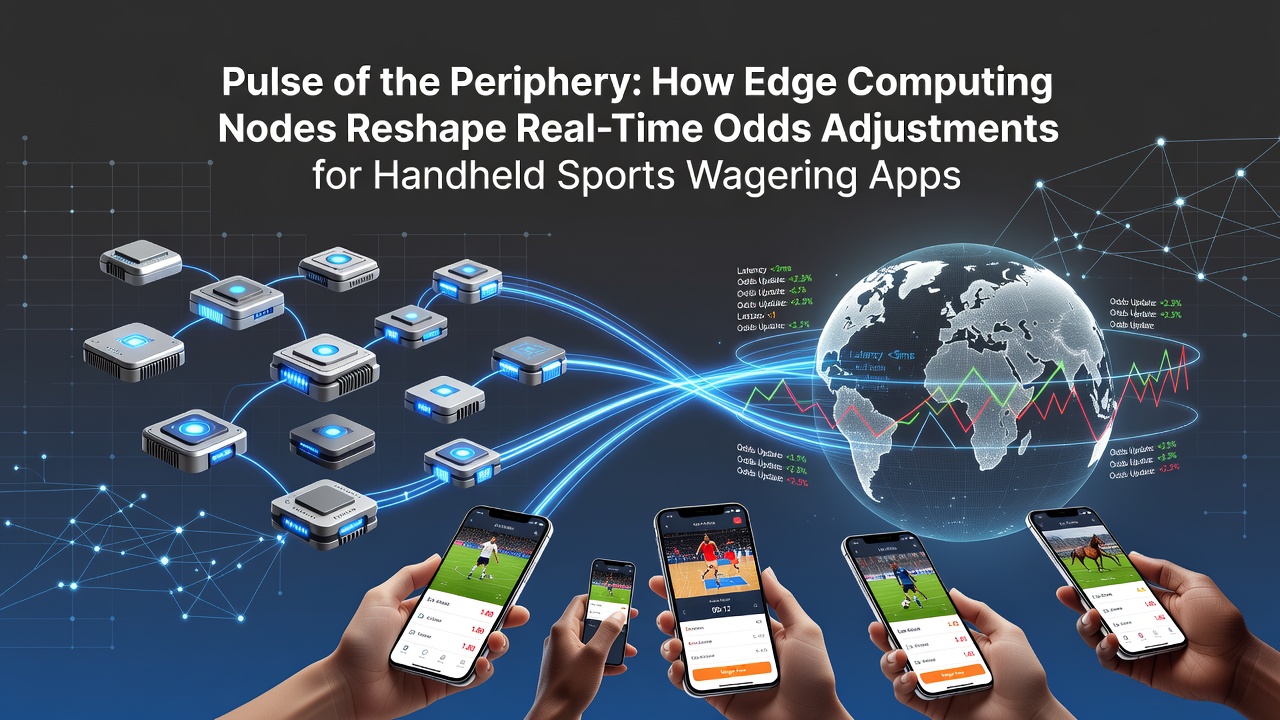
Edge computing nodes sit closer to end users than traditional centralized servers, and they process live event data within milliseconds for sports wagering applications on mobile devices. This architecture allows odds to shift based on incoming statistics from matches, player performance metrics, and betting volumes without routing every calculation through distant cloud facilities. Handheld sports wagering apps rely on these adjustments to maintain balance between risk exposure and user activity, especially during high-volume events where thousands of wagers arrive simultaneously.
Mechanics of Edge-Based Odds Processing
Operators deploy edge nodes at regional data centers or even within mobile network infrastructure, and these units ingest streams from official league feeds plus third-party analytics providers. Algorithms running locally recalculate probabilities for outcomes such as next-point winners or total points thresholds, then push revised lines back to connected apps. Because the nodes sit near cell towers, latency drops from hundreds of milliseconds to under 20 in many urban markets, according to network performance reports published by the Australian Communications and Media Authority in early 2026.
Traditional cloud setups required round-trip times that sometimes exceeded 150 milliseconds during peak traffic, whereas edge nodes handle the same volume locally before syncing aggregated results upstream. This setup proves especially useful for in-play betting on fast-moving sports like basketball or tennis, where a single point can trigger widespread odds movement across thousands of active sessions.
Impact on Handheld User Experience
Users notice faster response times when they place or modify wagers because the app receives updated figures before the next play begins. Battery drain decreases as well since devices perform fewer intensive calculations themselves and instead receive pre-processed results from nearby nodes. Market data collected across Southeast Asian operators in July 2026 showed average session durations increasing by 18 percent on apps that had rolled out edge infrastructure compared with those still using centralized systems.
Network congestion during major tournaments no longer creates the same bottlenecks. When an edge node handles initial filtering of incoming bets and only forwards summarized risk profiles to core systems, the central servers avoid overload and maintain consistent pricing logic across regions. This distributed approach also supports better failover, letting nearby nodes continue serving users if one location experiences temporary disruption.

Regulatory and Infrastructure Considerations
Authorities in multiple jurisdictions track how these distributed systems affect responsible gambling controls and audit trails. The Infocomm Media Development Authority of Singapore published guidelines in mid-2026 requiring operators to maintain synchronized logs between edge nodes and central databases so that every odds change remains traceable regardless of where the calculation occurred. Similar frameworks have emerged in parts of Canada where provincial regulators now request latency benchmarks and data residency details before approving new deployments.
Industry groups such as teh European Gaming and Betting Association have documented case studies showing how edge architectures integrate with existing risk-management platforms. One documented rollout in Northern Europe demonstrated that edge nodes could enforce spending limits and cooling-off periods without adding measurable delay for end users, because policy checks run in parallel with odds computation.
Future Integration Patterns
Developers continue testing tighter coupling between edge nodes and 5G network slicing, which reserves dedicated bandwidth for wagering traffic during live events. Early trials indicate this combination further reduces variance in update speeds, keeping odds synchronized across devices even when users move between coverage areas. Academic research from the University of Melbourne's Centre for Digital Transformation has examined these patterns and found measurable improvements in price accuracy when nodes incorporate microsecond-level sensor data from venues.
Operators also explore combining edge processing with machine learning models trained on historical betting behavior, allowing nodes to anticipate surges before they fully materialize. The result appears in smoother line movements that reflect both real-time game events and aggregated user activity without creating artificial spikes from delayed information.
Conclusion
Edge computing nodes now form a critical layer in real-time odds management for handheld sports wagering, delivering lower latency and higher reliability than centralized models alone. Data from regulatory bodies and industry deployments through July 2026 confirms measurable gains in update speed and system resilience, while compliance frameworks continue adapting to verify that distributed calculations remain transparent and auditable. As network infrastructure expands, the same nodes support additional features such as localized content delivery and enhanced security checks without compromising the core function of rapid, accurate odds adjustment.