Regulatory Frameworks Adapting to Emerging Virtual Economy Models in Cross-Platform Entertainment Sectors
Carlo Baumann · Jun 14, 2026
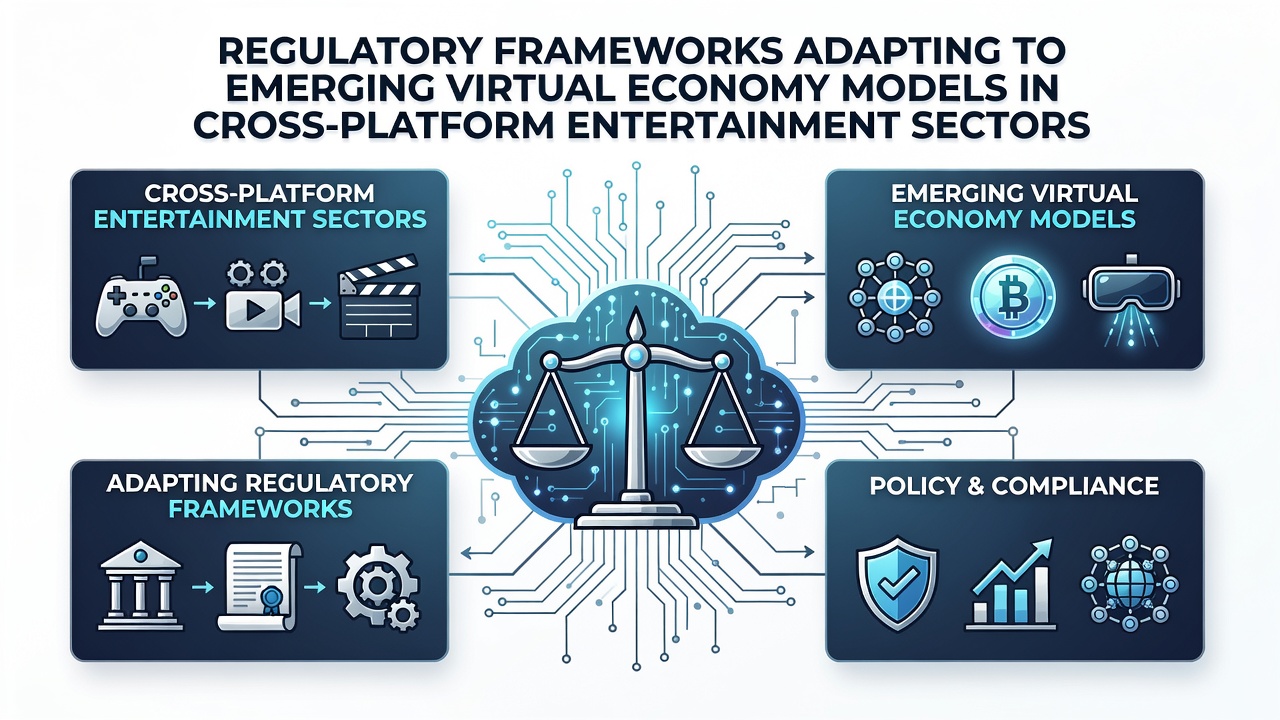
Regulatory Frameworks Adapting to Emerging Virtual Economy Models in Cross-Platform Entertainment Sectors
Virtual economies have expanded rapidly across entertainment platforms, creating new models for digital goods, currencies, and cross-platform interactions that regulators must address through updated frameworks, and these changes reflect ongoing efforts to balance innovation with consumer safeguards in sectors ranging from gaming to virtual events. In June 2026 several jurisdictions began implementing revised guidelines that target interoperability standards for virtual assets, allowing seamless transfers of items between different entertainment ecosystems while requiring clearer disclosure of ownership rights and transaction fees.
Cross-Platform Virtual Asset Challenges
Entertainment companies now operate virtual economies where users purchase, trade, and earn digital items that span multiple platforms, which creates jurisdictional overlaps since a single transaction might involve users in different countries using distinct legal systems, and this setup demands coordinated rules that address taxation, fraud prevention, and data privacy simultaneously. Researchers at institutions like the OECD have documented how these models generate billions in annual value, yet traditional regulations designed for physical goods often fall short when applied to intangible assets that exist only within proprietary servers.
One notable development involves efforts to standardize definitions of virtual property, where authorities examine whether digital items qualify as personal property subject to inheritance laws or merely as licensed access rights that terminate with account closure, and such distinctions carry significant implications for estate planning and dispute resolution across borders. Data from industry reports indicate that unresolved ownership questions have led to increased consumer complaints, prompting agencies to require platforms to maintain transparent terms that specify transferability limits and revocation conditions.
Regional Regulatory Responses
European authorities have advanced adaptations through updates to digital market rules that emphasize fair competition among platforms hosting virtual economies, requiring larger operators to provide access to third-party tools for asset valuation and exchange without favoring their own ecosystems, while authorities in Asia have focused on licensing requirements for virtual currency issuers tied to entertainment content to curb money laundering risks associated with rapid cross-platform trading. The Federal Trade Commission in the United States has issued guidance documents that highlight deceptive practices in virtual item promotions, such as misleading scarcity claims or undisclosed algorithmic influences on drop rates, and these measures encourage platforms to implement verifiable audit trails for economy-related algorithms.
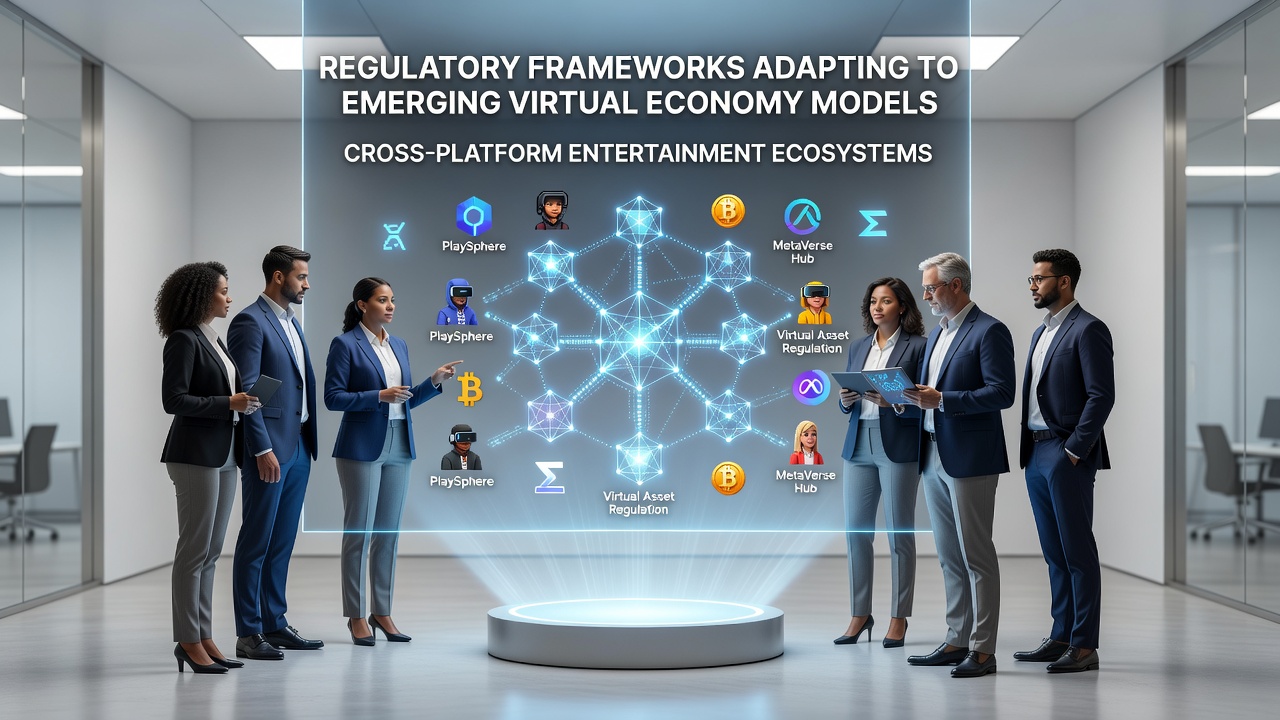
Australian regulators have introduced reporting obligations for platforms exceeding certain revenue thresholds from virtual goods sales, mandating annual disclosures on user spending patterns and dispute resolution outcomes, which allows oversight bodies to identify emerging risks like addictive purchasing loops before they scale across multiple entertainment verticals. These varied approaches share a common thread of seeking interoperability without stifling platform-specific innovations, yet implementation timelines differ based on local legislative processes and existing consumer protection statutes.
Technological Integration in Oversight
Regulators increasingly incorporate blockchain analytics and AI monitoring tools to track virtual asset flows in real time, enabling detection of suspicious patterns such as rapid cycling of funds between entertainment accounts that might indicate prohibited activities, and this technological shift supports proactive enforcement rather than reactive investigations after consumer harm occurs. Partnerships between government agencies and academic research centers have produced pilot programs testing automated compliance checks that verify adherence to virtual economy rules during platform updates, reducing the lag between policy changes and operational adjustments.
Observers note that successful frameworks often include provisions for regular stakeholder consultations, where platform operators, user advocacy groups, and technical experts provide input on proposed rule modifications, ensuring that regulations remain responsive to evolving business models like subscription-based virtual economies or event-driven asset releases tied to live entertainment spectacles. Such collaborative elements help mitigate unintended consequences, including reduced innovation or user migration to less regulated jurisdictions.
Future Outlook and Compliance Trends
As virtual economy models continue to mature, compliance costs for entertainment companies are projected to rise due to requirements for localized legal teams and customized reporting systems that accommodate regional differences in asset classification, yet these investments also create opportunities for standardized industry protocols that simplify multi-jurisdictional operations. Entities like the Entertainment Software Association have contributed research showing how clear regulatory signals can accelerate platform investments in cross-border features when uncertainty decreases.
What's significant is the growing emphasis on user education mandates within new frameworks, requiring platforms to deliver accessible explanations of virtual economy mechanics, including probability disclosures for randomized rewards and mechanisms for asset recovery in cases of platform shutdown or account compromise, and these provisions aim to empower participants while distributing responsibility across the ecosystem.
Conclusion
Regulatory adaptation to virtual economy models in cross-platform entertainment reflects a broader shift toward treating digital interactions with the same rigor applied to traditional commerce, incorporating lessons from early implementations to refine rules that support sustainable growth while addressing risks inherent in borderless asset exchanges. Continued monitoring through June 2026 and beyond will likely reveal further refinements as data accumulates on the effectiveness of these evolving standards.